Cotton Incorporated’s program has diverted more than 3,000 tons of denim waste, but only 9% of consumers say they recycle jeans they can no longer wear.
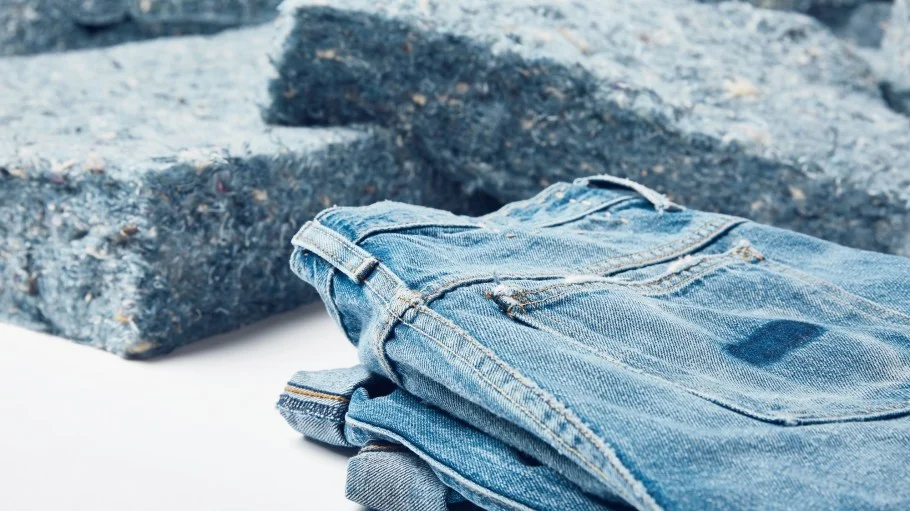
Blue Jeans Go Green has spent two decades building a route from worn-out jeans to insulation and other products. Its record is substantial: since 2006, Cotton Incorporated’s program has collected more than 6 million denim pieces, diverted over 3,000 tons of textile waste from landfills and produced more than 12 million square feet of insulation. The challenge ahead is less about proving that denim can be recycled than getting more people to send it to the right place.
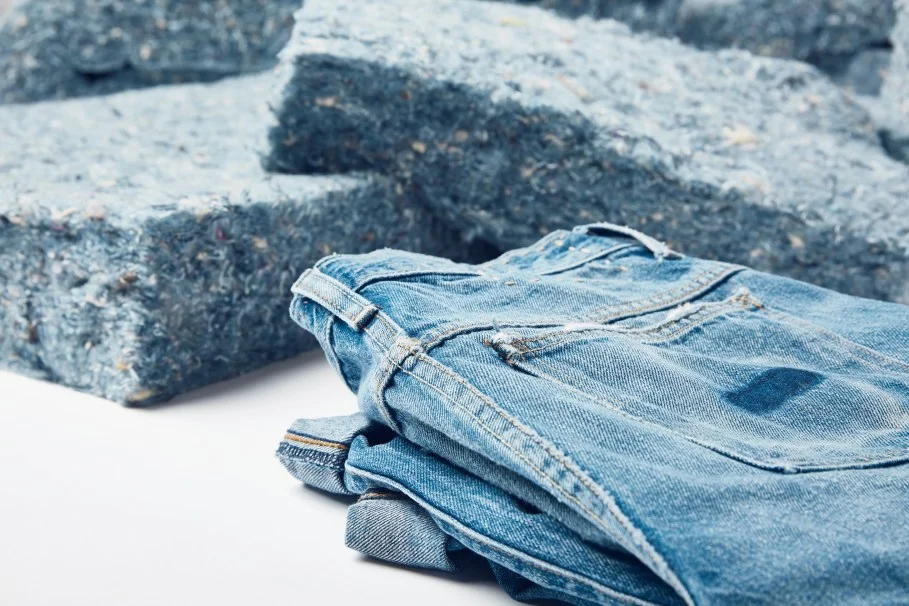
Turning old jeans into useful material
The program brings together consumers, retailers, schools and other organizations to collect denim, with the aim of giving cotton a second use and making textile recycling more visible. Its insulation has gone into homes built with Habitat for Humanity and Fuller Center affiliates. The material has also been made into inserts for pet beds.
Another use puts recycled denim to work in thermal packaging liners for meal delivery kits. Those liners help keep food fresh and cold, and can themselves be recycled after use. The range of applications matters: it gives collected jeans more than one possible destination and shows how a familiar garment can become a material input elsewhere.
“Cotton is a remarkable natural fiber—durable enough to be worn and loved for years, yet versatile enough to take on an entirely new purpose,” said William Kimbrell, president and CEO of Cotton Incorporated. He said the program’s retail partners and consumers have helped keep materials out of landfills by extending denim’s useful life.
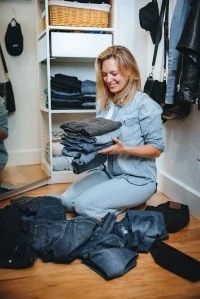
Consumers can bring in worn denim that is at least 90 percent cotton at participating retail locations. Some stores offer a discount toward another pair of jeans. Schools from kindergarten through grade 12, colleges, universities, clubs and businesses can also organize collection drives.
From campus drives to national visibility
Blue Jeans Go Green began with collections at 14 college campuses. Its early growth relied on partnerships that connected recycling with audiences beyond the campuses. In 2008, a collaboration with G by Guess and Warner Bros. tied the program to the film “The Sisterhood of the Traveling Pants 2.” The following year, a partnership with National Geographic Kids magazine helped the program set a Guinness World Record for the most clothing items—specifically denim—collected for recycling.
By 2013, the program had collected 1 million pieces of denim, a milestone that suggested consumers would participate when recycling was easy to access. In May 2015, it joined New Orleans Area Habitat for Humanity for a Build-A-Thon marking the 10th anniversary of Hurricane Katrina. Grammy-winning artist Sheryl Crow took part in a project to build 10 homes in 10 days, using recycled denim insulation.
More recently, the program launched Real Denim Stories in 2024. The campaign features makers and creators discussing favorite denim pieces while directing attention to cotton’s potential life beyond the garment.
A wide gap between interest and action
The case for more collection is clear in the available waste figures. Textiles generated 17 million tons of municipal solid waste in the United States in 2018, according to the Environmental Protection Agency. Global sales topped 1.2 billion pairs of jeans in 2023, according to Market Growth Reports. Cotton Incorporated’s 2025 Lifestyle Monitor™ Survey, based on 6,000 respondents, found that the average American owns 12 denim items.
Yet recycling remains a small part of what consumers do with jeans they can no longer wear. In the same research, 60 percent said they donate them, while 32 percent said they throw them away. Another 24 percent pass them to friends or family, 16 percent repurpose them as items such as shorts, patches or crafts, 12 percent sell them, and 11 percent use them as rags or cleaning cloths. Only 9 percent said they recycle their jeans.
That low recycling figure sits alongside signs of consumer interest. Nearly half of U.S. consumers—48 percent—said they would be likely to seek jeans that can be recycled. And among shoppers who check clothing labels for sustainability or environmental claims, 46 percent said they look to see whether a garment is recyclable, according to a 2026 Global Sustainability Survey from Cotton Council International and Cotton Incorporated, which polled 635 respondents.
Retail participation shapes the collection network
The program’s current retail partners include American Eagle, Anthropologie, Carhartt, Jax Outdoor Gear, Kimes Ranch, Madewell, Muji, Paige, The Paper Store, Rag & Bone, Rails, Ralph Lauren, Veronica Beard and Uncharted. Retail locations give consumers a direct place to drop off denim, while incentives can connect that action to a future purchase.
American Eagle has participated since 2008. The retailer says its customers have helped recycle more than 1 million pairs of jeans through the program, with the denim converted into products such as building insulation and sustainable packaging. AEO loyalty members can receive $10 off a new pair when they bring old denim into a store, said Michelle Tarry, the company’s vice president of responsible sourcing and sustainability.
“To empower our customers to divert denim from landfills, AEO loyalty members receive $10 off a new pair of jeans when they recycle their old denim in-store,” Tarry said. She described the program as part of the company’s effort to reduce waste and invite customers to take part.
Blue Jeans Go Green’s first 20 years show what coordinated collection can achieve: millions of garments gathered and converted into materials with practical uses. Its next measure of progress may be how effectively retailers and community drives close the gap between shoppers who say recyclable denim matters and the small share who currently recycle jeans. More information is available at Blue Jeans Go Green.
The Cotton Incorporated Lifestyle Monitor™ Survey is an ongoing research program measuring consumer attitudes and behaviors related to apparel, shopping, fashion and sustainability. More information is available at https://lifestylemonitor.cottoninc.com.
Discussion
Sign in to join the discussion.