Both countries pushed back reciprocal port fees, giving shippers two months of relief as industry groups press for a longer-term agreement.
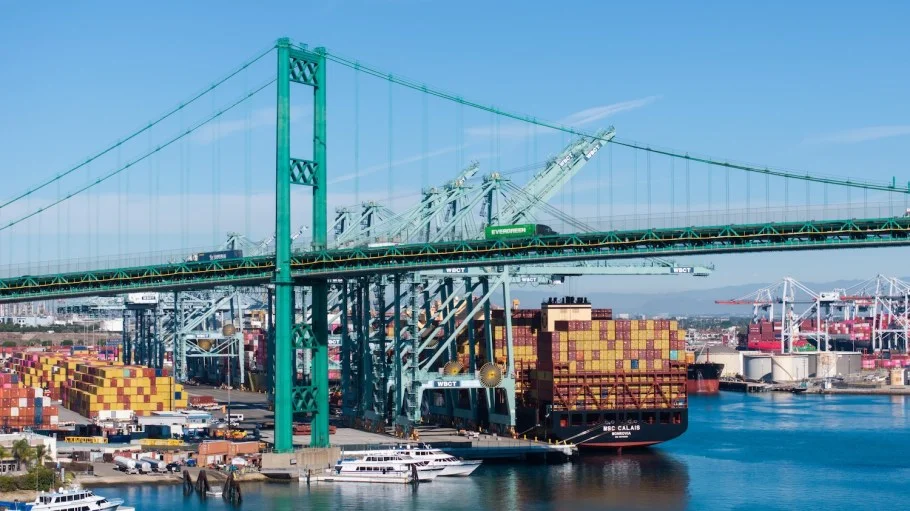
The U.S. and China have bought their shipping industries two more months of relief from reciprocal port fees. The extension avoids an immediate return of the charges, but leaves apparel, retail and shipping companies facing another deadline in January.
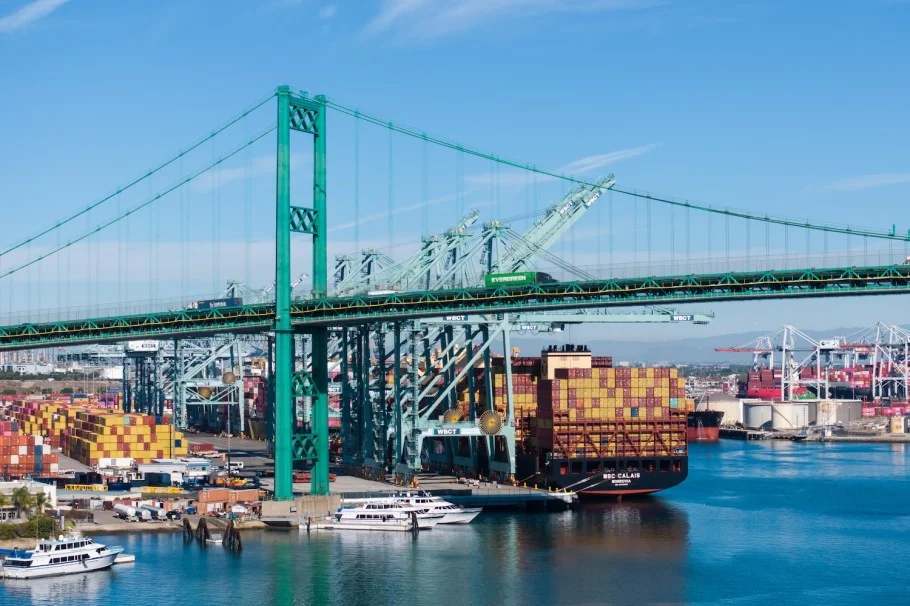
A short reprieve for shippers
The Office of the U.S. Trade Representative (USTR) extended its suspension of Section 301 fees on Chinese-built and Chinese-operated vessels calling at U.S. ports. The charges are now scheduled to resume at 11:59 p.m. Eastern time on Jan. 9, 2027.
China announced a matching extension of its special fees on U.S.-linked vessels through Jan. 10. The coordinated moves avert the end of the existing one-year pause, which had been due to expire Nov. 10. The U.S. filing was made Monday at 8:45 a.m. and was scheduled for publication in the Federal Register the following day.
The U.S. extension also delays separate duties on ship-to-shore cranes and other cargo-handling equipment. USTR said it had received about 60 distinct comments on its Oct. 26 proposal and extended all 178 Section 301 product exclusions through the January deadline.
China’s announcement came as its customs tariff commission extended the suspension of an additional 24 percent tariff on U.S. goods through Jan. 10. The additional 10 percent tariff remains in effect.
Industry groups want a durable agreement
Shippers and trade groups had warned that the fees could raise business costs and disrupt supply chains. On Oct. 30, the United States Fashion Industry Association told USTR that U.S. apparel exports could fall 5 percent if Section 301 measures or fees applied to Chinese vessels. It also pointed to a potential 4 percent decline in employment and output across the U.S. fashion and apparel industry.
“We are pleased that the threat of port fees is postponed,” USFIA president Julia Hughes told Sourcing Journal. “We hope that the January deadline for the U.S.-China trade truce will lead to the resolution of the outstanding threats to trade.”
The American Apparel and Footwear Association has warned that uncertainty could unsettle shipping contracts and seasonal production plans. “AAFA supports extending the suspension of both port fees and duties on shipping equipment to provide continued relief for U.S. shippers and supply chains,” said Audrey Clark, the association’s manager of trade and transportation. She urged USTR to reach a longer-term resolution, citing the risk of costly and disruptive measures returning.
The National Retail Federation has also flagged the potential for higher costs and unpredictable shipping conditions. It warned that capacity constraints could make ocean freight rates more volatile.
The fees have already carried a price
The measures stem from a USTR investigation opened in April 2024 into China’s maritime, logistics and shipbuilding sectors. The investigation concluded that China’s practices were “unreasonable,” citing state industrial targets, subsidies and state financing, and mergers involving favored state-owned companies. USTR has argued that those practices displaced foreign firms, weakened investment in U.S. maritime industries and created dependencies in sectors important to the U.S. economy.
U.S. and Chinese port penalties took effect on Oct. 14, 2025, but were suspended for a year starting Nov. 10 after a meeting between Presidents Donald Trump and Xi Jinping in Busan, South Korea. That meeting eased some trade tensions, with the U.S. agreeing to reduce fentanyl-related tariffs on Chinese goods.
The brief period when fees were collected showed how quickly they could add up. Cosco Shipping and subsidiary Orient Overseas Container Line paid $42.8 million during the first week of U.S. penalties. Matson, the U.S. container line most exposed to China’s reciprocal charges, paid $6.4 million to dock at Chinese ports in late 2025.
Shipbuilding remains the longer-term challenge
USTR said the conditions behind the original suspension “continue to exist.” In its notice, the agency’s general counsel, Jennifer Thornton, said the U.S. would keep discussing the issues with China while taking steps to expand domestic commercial shipbuilding, strengthen the workforce and work with allies to increase U.S. shipbuilding capacity.
The administration published “America’s Maritime Action Plan” in February to reduce U.S. reliance on foreign-built, foreign-crewed and foreign-flagged vessels. Lawmakers have also introduced bipartisan proposals aimed at rebuilding the U.S. maritime fleet. The production gap remains stark: BRS Shipbrokers said that as of July, the U.S. had 15 cargo ships under construction, compared with more than 4,000 in China. Twelve of the U.S.-listed ships are expected to be mostly built in South Korea.
The January deadline gives negotiators a narrow window to settle the port fee dispute. For businesses setting shipping contracts and production schedules, the extension offers time; certainty still depends on a longer-term resolution.
 AAFA Reports to USTR on Foreign Trade Barriers
 Nike, CMA CGM Launch Vietnam's First Fully Electric Container Barge
Discussion
Sign in to join the discussion.