U.S. shoppers plan to cut Black Friday spending by 30%. Research suggests discounts and early online preparation can help retailers turn traffic into orders.
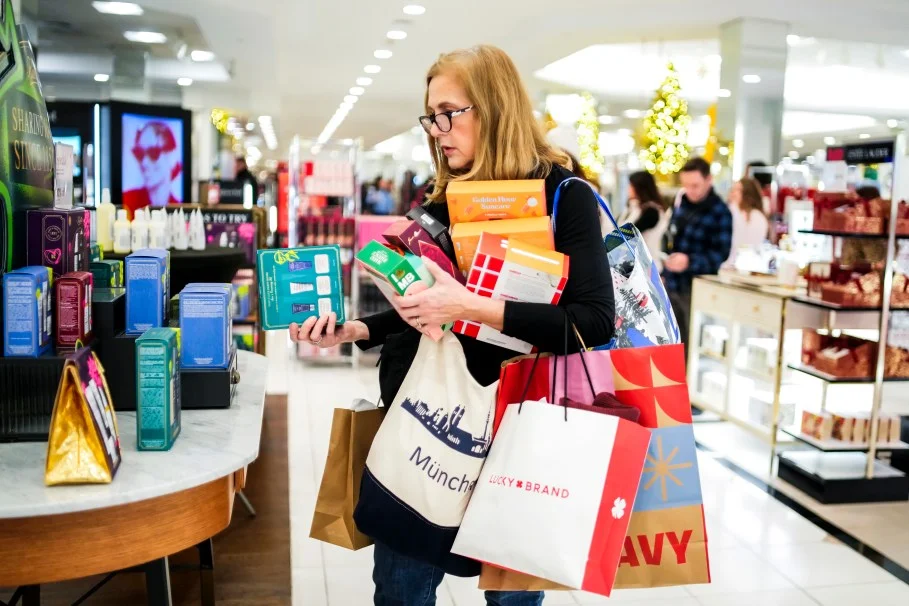
Black Friday and Cyber Monday still draw shoppers, but retailer traffic may be competing for a smaller share of household budgets this year. Two reports point to a clear challenge: consumers remain interested in the holiday shopping weekend, yet many expect to spend less, making the path from a visit to a completed order especially important.
Shoppers are tightening their budgets
An Omnisend survey of more than 1,110 U.S. consumers puts the planned average Black Friday and Cyber Monday budget at $336, down 30 percent from $479 last year. The researchers summed up the shift this way: “U.S. shoppers still plan to show up for Black Friday/Cyber Monday (BFCM)—they’re just bringing less home with them.”
The survey also covered consumers in Australia, the U.K. and Canada. Across the respondents, the share planning to spend more than $1,000 fell to 7 percent from 15 percent last year. Meanwhile, the share expecting to spend less than $100 rose to 14 percent from 5 percent.
Price pressure is shaping those plans. In the U.S., 78 percent of respondents said they’re feeling price increases. Half said grocery costs are making holiday hosting stressful, and nearly four in 10 plan to spend less this season and direct the savings toward necessities.
Apparel and accessories remain the most commonly planned purchase, with 38 to 42 percent of shoppers across the four markets expecting to buy in the category. Electronics follow at 33 to 37 percent, then toys and games at 26 to 31 percent. Yet interest has dropped across all three. In the U.S. data, the share planning to buy clothing fell to 38 percent from 57 percent last year; technology, to 35 percent from 53 percent; and toys, to 31 percent from 38 percent.
Deals matter, but the buying journey matters too
For retailers, the data points to a shopper who’s still looking, but is weighing each purchase more carefully. Discount size is the strongest purchase driver, influencing 52 to 57 percent of respondents across the markets. Free shipping matters to 34 to 38 percent, while gift bundles and limited-time offers appeal to 19 to 26 percent.
Some shoppers are also considering payment flexibility for larger purchases: 38 percent of U.S. respondents said they’d use buy now, pay later during the event. And deal discovery is changing. Twenty-two percent of Americans plan to use AI to find discounts or coupons, compared with 18 percent of British respondents, 20 percent of Canadians and 21 percent of Australians.
Those figures suggest retailers need offers that are easy to compare and a checkout process that doesn’t add friction. As shoppers use AI to search for deals, accurate product information and visible promotions may also affect whether a store makes the shortlist.
Early preparation is tied to stronger online results
A separate Hostinger analysis examined 49,318 e-commerce stores around last year’s Black Friday. Stores that made no changes to products, discounts, coupons or payment options drew 5.8 percent more traffic in November than their August-to-October baseline. But orders fell 3.5 percent and sales value declined 6.2 percent.
Stores that prepared ahead of the event saw stronger results. Those starting work eight to 21 days before Black Friday recorded orders up 34.2 percent and sales value up 36.7 percent, according to the report. The findings suggest that extra visitors alone won’t guarantee sales if the offer, product pages or payment flow fails to close the gap.
“Black Friday stress-tests the whole commercial setup at once,” said Justinas Vaičiulis, Hostinger’s product marketing lead for e-commerce. “If traffic rises but sales do not, the problem is not awareness. It means something in the buying journey is getting in the way, whether that is the offer, the product experience, checkout or payment.”
My read is that retailers should plan for deliberate, value-conscious shopping rather than count on impulse purchases. Clear savings, practical incentives and a smooth route to checkout will matter most when consumers are already deciding which expenses to defer. With budgets under pressure, preparation may determine whether a seasonal traffic bump becomes actual orders.
Discussion
Sign in to join the discussion.