Explore This Month's Top Books: From Fiction to Nonfiction Highlights
Published Sep 04, 2026632 readers
Discover notable new releases by Marlon James, Chloe Benjamin, Jon Ronson, and Emily Wilson, blending rich storytelling and profound themes.
Monthly Overview of Noteworthy Reads
This month, several new titles have captured critical acclaim, highlighting a blend of fiction and nonfiction that warrants your attention. Among the standouts are Marlon James' *The Disappearers*, Jon Ronson's *The Castle*, Chloe Benjamin's *Under Story*, and Emily Wilson's *Crossing the Wine Dark Sea*. The buzz around these books speaks to both their storytelling qualities and the themes they tackle, which resonate with readers navigating an increasingly complex world. As literature often reflects societal currents, this month’s highlights seem particularly timely, providing both entertainment and food for thought.
*The Disappearers* by Marlon James
Topping the charts, *The Disappearers* by Marlon James (Riverhead) has garnered an impressive reception: 11 rave reviews and two positive mentions, along with a mixed one. Critics laud it as “a harrowing, hilarious, magnificent novel that will stand the test of time.” James forges a unique narrative voice, layering it with humor and poignancy, skillfully blending suspense with deep emotional resonance. Hamilton Cain of *The Boston Globe* notes James' “defiant queer epic belongs to us all,” emphasizing the universal appeal of the story despite its specific cultural backdrop. The narrative’s ability to traverse different emotional terrains is significant; it invites readers from various backgrounds to find their truths amid its pages.
*The Disappearers* tackles themes such as identity, loss, and the search for belonging, issues that many grapple with today. In a time when societal divisions often seem insurmountable, James crafts a tale that reminds us of our shared humanity. The fact that a book can tackle such substantive themes while maintaining a humorous tone is noteworthy in itself. Readers seeking both entertainment and depth will likely find this work fulfilling.
*Under Story* by Chloe Benjamin
Next in line, Chloe Benjamin’s *Under Story* (G.P. Putnam’s Sons) has not only piqued interest with its imaginative scope but also received accolades for its character depth, boasting six rave reviews. The narrative challenges readers to suspend disbelief, intertwining elements of fantasy such as time travel with profound human themes. A reviewer from *The New York Times Book Review* mentions that Benjamin’s lengthy narrative is purposeful rather than minimalist, expanding the reader's expectation of life itself through its adventurous lens. It’s a bold choice, stretching the conventions of storytelling to explore the human experience.
Benjamin’s work matters now more than ever. In an era where anxiety about the future is prevalent, her exploration of time travel serves as a metaphor for our desires and regrets. The narrative isn’t simply about moving through time; it’s about reflecting on choices that shape our identities and connections. This thematic thread resonates particularly with those wrestling with their paths in life, prompting an introspective reading experience.
*The Castle* by Jon Ronson
In the realm of nonfiction, Jon Ronson’s *The Castle* (Riverhead) emerges prominently with seven rave reviews. This book is Ronson’s first offering in over a decade, and it continues his trademark exploration of complex social issues. Critics appreciate its introspective dive into modern masculinity, with Sinead Gibney from *The Irish Times* arguing that it bravely tackles the mental health crises facing men today. His insights underscore a growing awareness of gender issues that resonate with current societal dialogues. Especially in light of recent discussions around mental health, Ronson's exploration provides relevant commentary.
The significance of tackling masculinity in literature can’t be overstated. In many ways, Ronson isn’t just highlighting problems; he’s inviting readers—particularly men—to reflect on their behaviors and the societal expectations placed upon them. This invites a broader conversation about masculinity, vulnerability, and societal expectations. Some might say a fresh perspective on such issues could spark change, but readers will need to engage deeply with the material to realize its potential impact.
*Crossing the Wine Dark Sea* by Emily Wilson
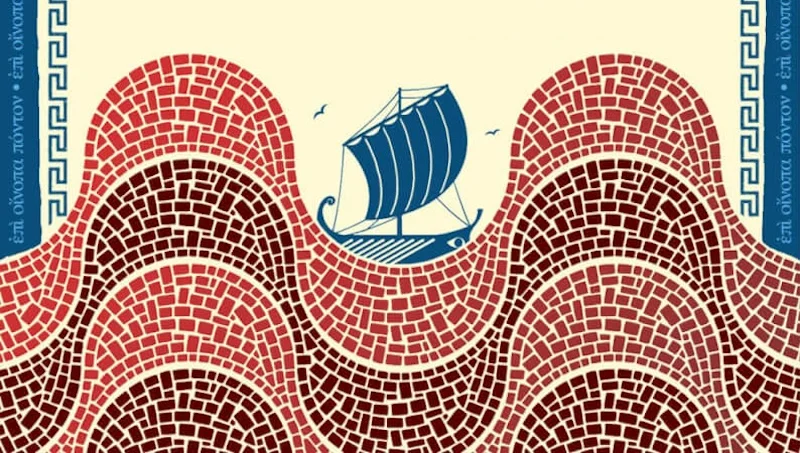
Lastly, Emily Wilson's *Crossing the Wine Dark Sea* (Liveright) has six rave evaluations, particularly noted for the way it weaves ancient literature with contemporary insights. Jennifer Szalai from *The New York Times* describes it as “wonderfully spirited,” praising Wilson’s ability to connect her expertise with modern cultural relevance. This book not only aims to enlighten readers about ancient texts but also engages them on a deeper emotional level, inviting an exploration of timeless human concerns. Wilson's work serves as a bridge, connecting readers to the past while illuminating present struggles.
Wilson’s approach is refreshing; she doesn’t just retell ancient stories but reinterprets them, making them accessible for today’s readers. This technique fosters a richer understanding of how such themes persist. Readers may find that revisiting these ancient narratives allows them to reconsider their own lives and dilemmas. The interplay between the past and the present in her work is especially resonant, speaking to the human experience across time.
Implications and Future Outlook
As these titles illustrate, literature remains a powerful medium to address contemporary issues, whether they’re personal, societal, or historical. What this means for readers is a chance to explore diverse perspectives that challenge conventional narratives. Literature that captures the zeitgeist might not always offer clear solutions, but it provides an essential space for dialogue.
If you’re working in this space or simply an avid reader, consider how these themes interact with your own experiences. The engagement with identity and reflection in these works signals a new era in literature where personal narratives and societal issues intertwine more vividly. The implications extend beyond the page, prompting broader conversations about mental health, identity, and the legacies we embrace or reject.
Don’t overlook these titles. They offer not just stories, but pathways to understanding our lives in a complex world.
Discussion
Sign in to join the discussion.