This week’s finest books feature outstanding fiction including Yiyun Li's "Music Against the Night" and thought-provoking nonfiction like Lieke Marsman’s work.
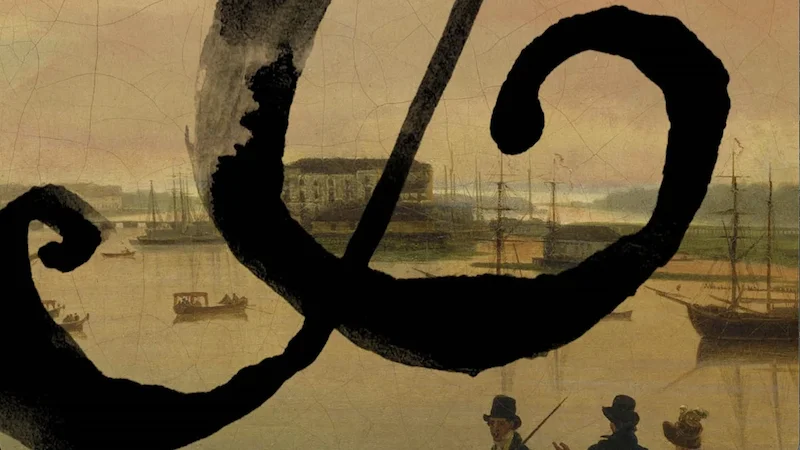
Among the most highly praised books this week are Yiyun Li’s Music Against the Night, Shawn Gude’s American Socialist, Bonnie Garmus’s Peck & Peck, and Lieke Marsman’s On Another Planet They Can Save Me. Each of these titles not only garners attention but also reflects current themes resonating with readers, illuminating the deeper narratives at play in today's literary scene.
Notable Fiction Picks
1. Music Against the Night by Yiyun Li
(Farrar, Straus and Giroux)
6 Rave • 2 Positive • 2 Mixed
“Wonderful and bewitching … Li is in complete command of her complicated, probing narrative … It’s the kind of sui generis novel that doesn’t come around that often.” This praise hints at Li's masterful storytelling techniques, which deftly blend elements of both personal and collective experience.
–Cory Oldweiler (The Boston Globe)
2. Peck & Peck by Bonnie Garmus
(Scribner)
4 Rave • 4 Positive
Read an interview with Bonnie Garmus here
Bonnie Garmus’s work is described as “impossible not to be beguiled by,” indicating her ability to weave humor and humanity into her narratives. “It’s hard to imagine a novel with more laugh-out-loud jokes about typography.” Humor in literature often serves as both an engagement tool and a lens through which serious themes can be explored. Garmus capitalizes on this relationship effectively.
–Claire Clark (The Guardian)
=3. Solace House by Will Maclean
(Grove)
5 Rave • 2 Positive
“There are faint echoes of Donna Tartt’s The Secret History: a close-knit group of students become increasingly absorbed by esoteric ideas … Thoughtful, unsettling and ambitious.” This comparison not only highlights thematic similarities but signals Maclean’s potential to secure a place among contemporary literary voices. Themes of obsession and intellectualism resonate deeply, reflecting broader societal tensions.
–Julia Kelly (The Irish Times)
=3. Luna, Phoenix, Queen by Julie Orringer
(Knopf)
5 Rave • 2 Positive
“Astonishing … Luna, Phoenix, Queen brilliantly emphasizes the agony of isolation and the relief that can come from telling a story for oneself.” This exploration of storytelling as a means of processing trauma speaks to readers who appreciate depth and emotional resonance. By highlighting the journey of self-discovery through narrative, Orringer taps into a universal experience.
–Meg Wolitzer (The New York Times Book Review)
5. The End of Everything by M. John Harrison
(Riverhead)
4 Rave • 1 Positive
“A fascinating, sometimes frustrating and thoroughly original new novel … This book portrays the many incompatible states of existence stemming from extreme crises.” Here, Harrison navigates complex human emotions and societal fractures, making this work more than just a fiction piece; it's a reflection of current existential fears. The inclusion of “extreme crises” hints at how fiction is often a mirror of real-world anxiety.
–Dave Kim (The New York Times Book Review)
Highlighted Nonfiction Works
1. On Another Planet They Can Save Me by Lieke Marsman
(Catapult)
4 Rave • 1 Positive
“Cathartic and often wondrous … Witnessing her altered mind grapple with major existential questions is an undeniable pleasure.” This deep dive into the author's psyche not only serves as an exploration of individual struggle but also reflects broader philosophical inquiries that resonate with many contemporary readers. The personal narrative illuminates universal conflicts, creating a connection beyond the page.
2. American Socialist: The Life and Legacy of Eugene V. Debs by Shawn Gude
(Simon & Schuster)
3 Rave • 2 Positive
“Charming and thoroughly researched … A page-turning delight, it is an engaging tool for anyone striving for a freer world.” Gude's work captures the complexities of socialist ideology through the lens of Debs’s life, linking historical context to current socio-political climates. This could appeal to those interested in historical narratives reshaping our understanding of contemporary issues.
–Matthew E. Stanley (Jacobin)
3. Morbid: Debunking Modern Longevity Science by Saul Justin Newman
(MIT Press)
3 Rave • 2 Positive
“Intriguing and eccentric … In an age of conspiracy theorists, Newman's conclusions are refreshingly simple.” It’s crucial to decode claims about longevity science, a field rife with misinformation. Newman's approach is particularly relevant, as it speaks against the tide of sensationalism often found in popular narratives about living longer and healthier.
–Rachel Clark (The Guardian)
4. The Best Kind of American: A True Story of Murder, War, and America’s Undoing in the Middle East by Kim Ghattas
(Henry Holt & Company)
4 Rave
“Ghattas adeptly analyzes the insidious relationships of ideology that have plagued Lebanon … An untainted view of the Middle East, this excellent book is a must-read.” Ghattas’s ability to untangle layered narratives around ideologies in conflict suggests a deep understanding of geopolitics. In an era where media narratives often oversimplify complex issues, her nuanced insights are essential.
–Christopher de Bellaigue (The New York Times Book Review)
5. Reds: A Global History of Communism by Paul Mason
(Scribner)
3 Rave • 1 Mixed
“A deeply researched, essential history of a protean ideology.” Mason’s exploration of communism might seem dense, but it raises pertinent questions about how ideological movements shape societies and influence current events. For those interested in political history, Mason’s work serves as a significant lens through which one might explore the legacy of communism today.
Implications and Significance
These selections reflect a blend of humor, psychological insight, and socio-political commentary. While some might label these books as simply the latest trends in publishing, they actually reveal ongoing dialogues around identity, society, and human experience. If you're working in this space, consider how these narratives can shift cultural perceptions or influence aspirations.
What this means for you is that engaging with contemporary literature is not just an exercise in reading; it’s a means of understanding the world. The themes present in these titles echo beyond the page and often resonate during significant social discussions. For readers and writers alike, there's fertile ground here to explore the complexities of modern life and its inherent ties to history, ideology, and personal storytelling.
Discussion
Sign in to join the discussion.