Explore the enduring themes of Robert Penn Warren's "All the King's Men," which resonate deeply amid contemporary political landscapes.
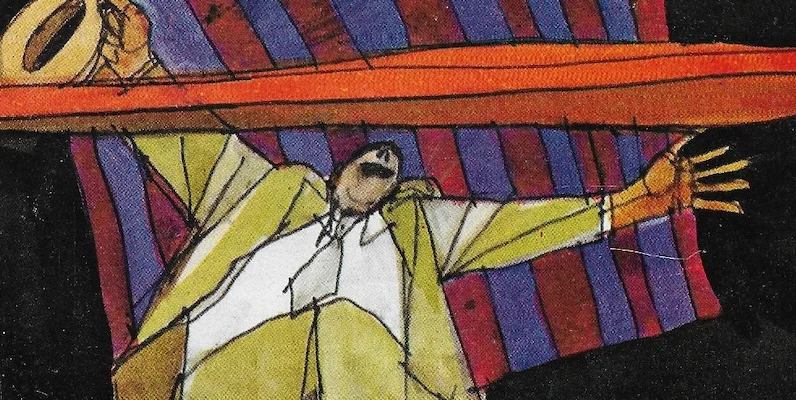
As the 80th anniversary of Robert Penn Warren's Pulitzer Prize-winning novel All the King's Men approaches, many readers may feel drawn to revisit its pages. The novel's exploration of power and morality feels particularly resonant today, echoing the complexities of modern political dynamics as we navigate our own turbulent times.
A Classic Worth Revisiting
If you haven't picked up this book in a while—or at all—now might be the right moment. As society grapples with political upheaval and ethical dilemmas, All the King's Men offers vital insights into the interplay of power, ambition, and moral decay. This novel invites us to reflect on how much has changed—and how little—over the decades. After all, the themes Warren explores are not merely historical curiosities; they are as alive today as they were at the time of its publication.
The story chronicles the moral deterioration of its protagonist, Willie Stark, amid a backdrop of political ambition and populism. This portrayal becomes more than just a character study; it serves as a lens through which we can analyze the behavior of contemporary political figures. Stark stands as an embodiment of charisma entangled with corruption—a reflection that many will find sobering. The author captures the tension between public persona and personal ethics, raising questions about how far leaders are willing to go in pursuit of power and the moral compromises they often make along the way.
Reflections of Contemporary Politics
In today’s political climate, the parallels to Stark’s journey are clear. The dynamics of personality-driven politics, for instance, echo in the rise of some leaders who charm the masses while steering into ethically dubious waters. Many contemporary politicians exhibit a disconcerting resemblance to Stark, marrying populism with personal ambition. This raises crucial questions for voters: How do we reconcile our admiration for charismatic figures with their questionable ethical conduct?
*
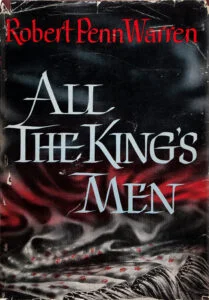
Warren’s Narrative and Emotional Depth
Orville Prescott’s original New York Times review, penned shortly after the novel's release, highlights its dramatic tension and emotional depth, describing it as "magnificently vital reading." Prescott had insightful observations, emphasizing the engagement the book demands. This isn't light reading meant to be skimmed over; it requires readers to confront uncomfortable truths about political ethics and personal integrity. Warren's narrative doesn’t give straightforward answers. Instead, it lays bare the ethical ambiguities that define political life, prompting deep reflection.
(And this is the part most people overlook.) Prescott critiques the novel's unevenness—its "bumpy" approach to significant themes—but he doesn't dismiss its emotional impact. Willie Stark emerges not merely as a character but as a symbolic representation of political ambition gone awry. Meanwhile, the narrator, Jack Burden, serves as a poignant representation of the disillusionment many feel when grappling with such leaders. His journey mirrors a broader societal discontent, which resonates strongly in today’s electorate.
The Intriguing Character Dynamics
The interplay between Stark and Burden is essential in understanding the novel's deeper meanings. Jack’s cynicism stands in stark contrast to Stark's ambition, embodying the tension between loyalty and moral integrity. As Jack navigates his personal moral crisis, Warren skillfully intertwines themes of ambition, morality, and betrayal, inspiring readers to reflect on their own values and choices. The psychological complexity in this relationship makes the narrative much richer, exposing the vulnerability hidden beneath the veneer of political strength.
The Imperative Lessons of Stark’s Tale
Even now, Warren’s narrative challenges readers to consider the consequences of political choices and the personal morality of those in power. As Stark’s story unfolds, it serves as an urgent reminder of the delicate balance between ambition and ethics. This lesson remains pertinent, urging us to hold our leaders accountable and to scrutinize our own complicity in the systems that elevate them.
Implications and Future Outlook
Looking ahead, the resonance of All the King's Men becomes increasingly significant as political tensions heighten. The narrative invites contemporary readers not just to engage with the text, but to apply its lessons actively. If you're working in this space—whether as a politician, a journalist, or a concerned citizen—these themes are not mere literary devices. They are reflections of real-world dynamics that shape governance today.
The ongoing relevance of Stark's moral descent poses a critical question for all those involved in the political discourse: How do we ensure that ambition does not eclipse ethical responsibility? The stakes remain high, and reading Warren’s work serves as both a cautionary tale and a call to action.
–The New York Times, August 19, 1946
Discussion
Sign in to join the discussion.